About
Integrating Psychotherapy and Sound-Based Practice
Oreka Sound brings together depth-oriented psychotherapy, music therapy, and sound-based nervous system regulation within a clinically grounded and creatively informed approach.
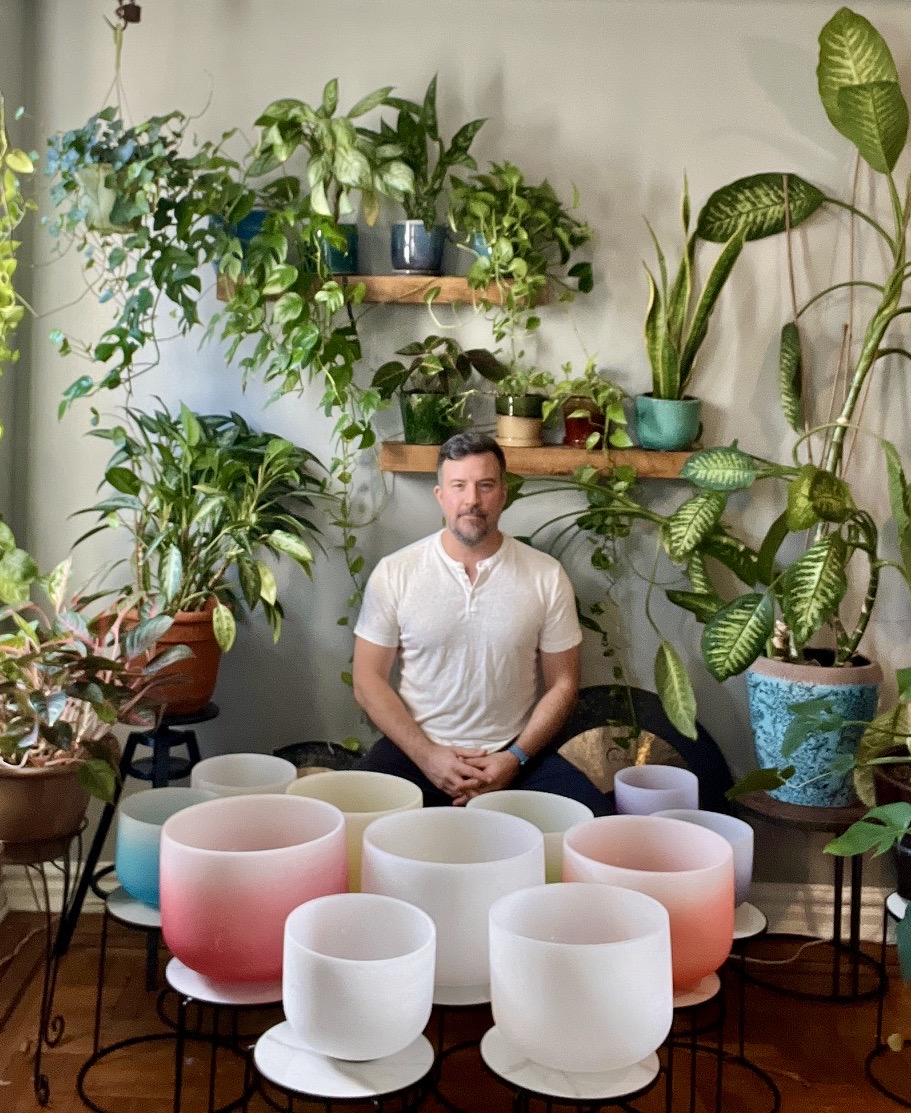
Alan Thompson,
MA, MT-BC, LCAT
I am a Board-Certified Music Therapist (MT-BC), Licensed Creative Arts Therapist (NY), improviser, and composer with over 20 years of experience working at the intersection of psychotherapy, music therapy, and sound-based nervous system regulation across the lifespan.
Now based in California, my clinical work has been shaped by decades within complex healthcare systems, including extensive experience in the Department of Veterans Affairs, where I developed and implemented music therapy programs for veterans navigating trauma, chronic pain, and complex mental health conditions. Alongside institutional leadership, I have worked deeply within community and nonprofit settings—supporting homeless youth, foster children, incarcerated adolescents and adults, individuals with complex psychiatric presentations, and older adults experiencing dementia and medical complexity. I am also the Founder of Sonic Bridges, Inc., a 501(c)(3) nonprofit expanding access to trauma-informed, music-centered care in community settings. These experiences continue to inform the relational depth and ethical responsibility I bring to therapeutic work.
My approach is informed by depth psychology, attachment theory, polyvagal theory, and sensory integration, alongside decades of practice as an improviser and composer. I emphasize co-regulation, deep listening, and engagement with the creative musical process as structured pathways to healing—integrating clinical rigor with artistic depth.
I founded Oreka Sound to create a therapeutic space where psychological insight and musical creativity work together. Through psychotherapy and sound-based services, I support children, adolescents, adults, and older individuals seeking greater balance, regulation, and meaningful change.
Philosophy
Deep Listening as Therapeutic Practice
At the foundation of Oreka Sound is deep listening—not simply as an aesthetic experience, but as a therapeutic practice. Listening creates the conditions for safety, attunement, and co-regulation. It allows for presence to emerge gradually rather than being forced.
Balance is not achieved through quick techniques or surface-level relaxation. It develops through relational attunement, sensory integration, and sustained therapeutic engagement.
Nervous System Regulation
Oreka Sound is grounded in the understanding that regulation is physiological as well as psychological. Sound is used intentionally for its capacity to influence autonomic states, support emotional processing, and expand tolerance for internal experience.
Rather than imposing calm, the work supports the nervous system's natural capacity to reorganize, integrate, and return to balance.
Musical Creativity as Therapy
Engaging the creative musical process is central to this work. Through clinical improvisation and guided musical exploration, clients access forms of expression that extend beyond language. Musical creativity becomes a structured therapeutic process—supporting emotional release, cognitive engagement, and embodied awareness.
This is not performance. It is a relational and regulated creative space where expression unfolds safely and intentionally.
Psychotherapy Integration
Oreka Sound integrates depth-oriented psychotherapy with music therapy and sound-based practices. Verbal reflection, somatic awareness, and creative process operate together in service of healing and growth.
The therapeutic relationship remains central. Sound and music are not replacements for psychotherapy, but additional modalities that deepen insight and expand therapeutic possibility.
Grounded Practice
Sound-based work can feel powerful and transformative. At Oreka Sound, it remains grounded in clinical training, ethical practice, and respect for the complexity of human experience. The work is guided by therapeutic principles, not spiritual claims, and is always oriented toward psychological integration and wellbeing.
Training & Background
Clinical Experience
I bring over 20 years of clinical experience as a Board Certified Music Therapist and Licensed Creative Arts Therapist, with the majority of my work grounded in healthcare settings across New York City and the U.S. Department of Veterans Affairs.
My clinical practice has spanned inpatient, outpatient, and long-term care environments, supporting Veterans and civilians navigating trauma-related stress, anxiety, depression, chronic illness, and complex psychiatric conditions. I have worked extensively with individuals experiencing severe and persistent mental illness, medically complex presentations, and co-occurring cognitive and emotional challenges.
Earlier in my career, I specialized in working with autistic children and adolescents, later expanding my practice to include older adults experiencing dementia and neurocognitive decline within hospital and Community Living Center environments.
In addition to direct clinical care, I have contributed to the development of interdisciplinary therapeutic programming within hospital systems and Veterans healthcare settings, integrating music therapy and sound-based approaches into broader models of care.
Credentials
Board Certified Music Therapist (MT-BC), Certification Board for Music Therapists
Licensed Creative Arts Therapist (LCAT), New York State
Nordoff Robbins Music Therapist (NRMT), with advanced training in clinical improvisation and creative music therapy
Master of Arts in Music Therapy, with specialized study in improvisation and depth-oriented psychotherapy
Bachelor of Arts in World Music and Improvisation, San Francisco State University
Selected Healthcare & Community Experience
My work has spanned major healthcare systems, community-based mental health programs, nonprofit organizations, and arts institutions, serving diverse populations across the lifespan in medically complex, community-based, and culturally diverse environments.
Major Healthcare Systems
- Department of Veterans Affairs
- NYC Health + Hospitals
- Mount Sinai Hospital
Community-Based & Nonprofit Organizations
- Covenant House
- Ryan White Center
- NYC Close To Home
- Brooklyn Conservatory of Music
- University Settlement
- Incarnation Children's Center
- Cumberland Diagnostic & Treatment Center
- Olga Residence
- Jewish Board of Family & Children Services
- JCAA Waiver Program
- Cumberland Diagnostic Center
Artistic Practice
My therapeutic work is informed by decades of experience as an improviser, composer, and educator. As a multi-instrumentalist working with acoustic and sound-based modalities, I bring artistic depth and disciplined creative practice into clinical environments—always in service of therapeutic goals.
Ready to begin?
Schedule a consultation to explore how this work may support your goals—whether individual, collaborative, or organizational.
Book Consultation